
Perma-Pleated Screens
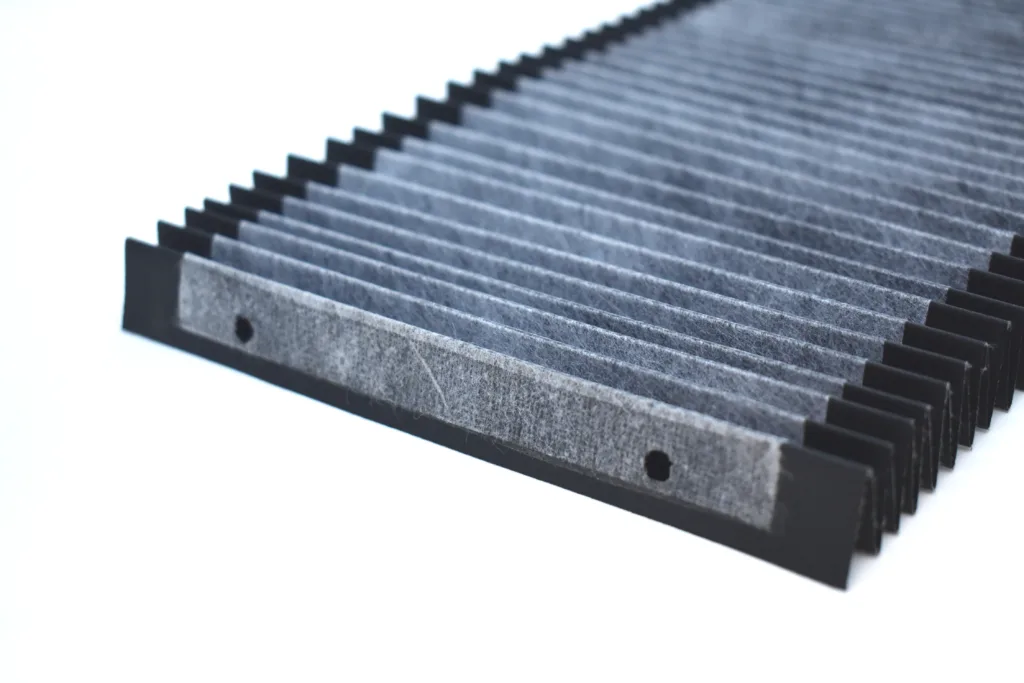
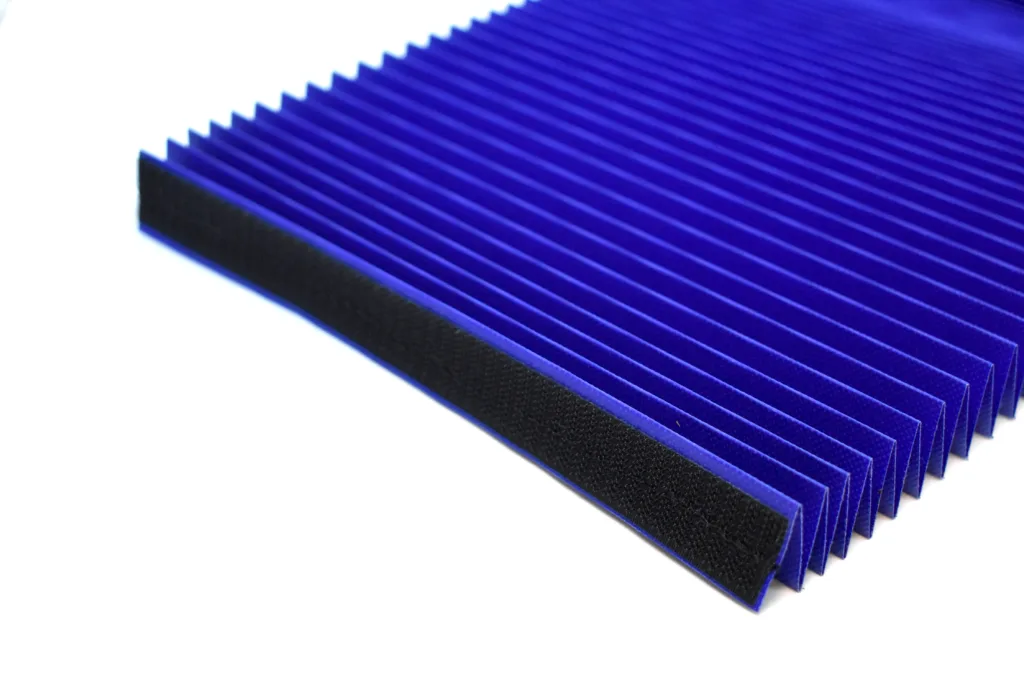
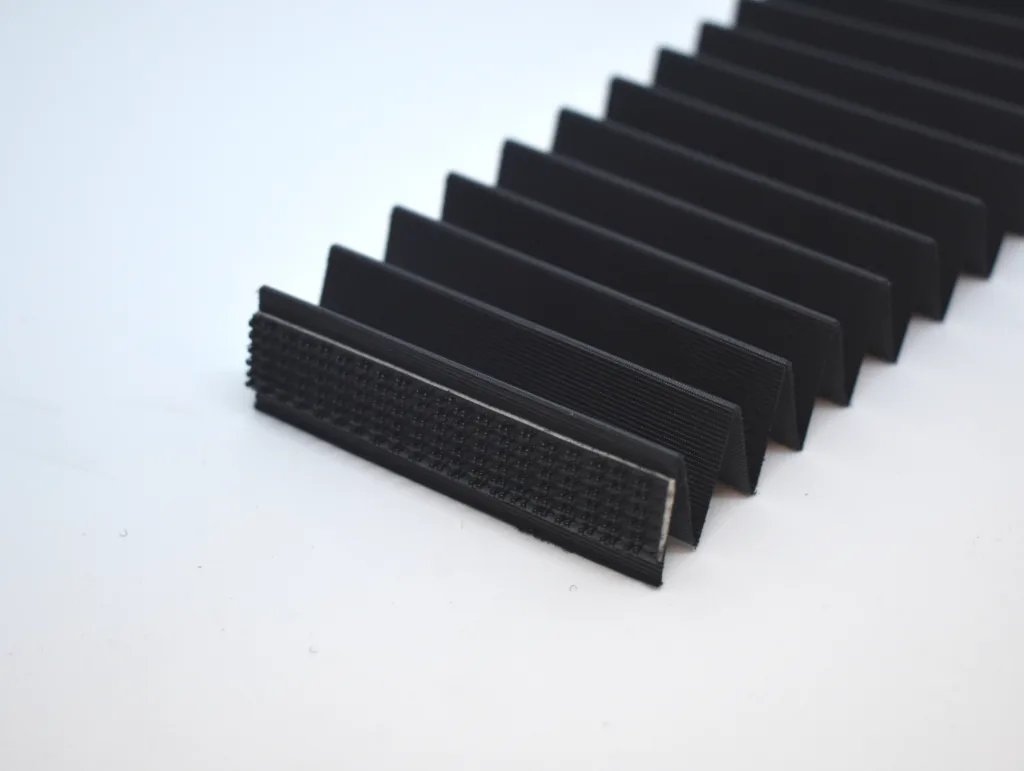
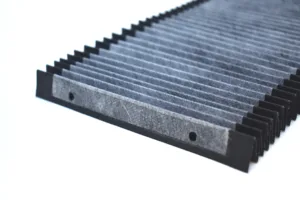
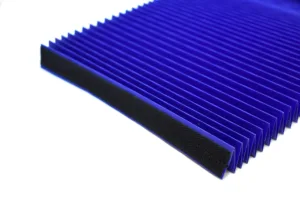
CENTRYCO Perma-Pleated Screens provide an economical form of protection. These crisply pleated screens are ideal for medical or coordinated measuring machine applications. Made in a variety of materials to suit your application, CENTRYCO’s Perma-Pleated Screens are the ideal choice for protection from light debris or heavy dust. The product also combines safety with eye appeal that will enhance your equipment’s professional appearance. Easy to install, the Perma-Pleated Screen is also the most economic product that you can use to provide protection to your equipment
Key Benefits of Perma-Pleated Screens
- Exceptional Durability: Perma-pleated screens are engineered to withstand rigorous industrial cycles without losing their structural integrity. By utilizing high-quality materials and precise pleating techniques, these screens resist sagging and maintain their protective barrier over long periods of use.
- Cost-Effective Protection: These screens offer one of the most economical ways to shield sensitive machinery from environmental hazards like dust and light debris. Their straightforward design and ease of installation reduce both initial procurement costs and long-term maintenance expenses compared to more complex custom industrial bellows.
- Space-Efficient Design: With a high compression ratio, perma-pleated screens require minimal mounting space while providing a significant extended length. This makes them the ideal choice for compact medical equipment or coordinate measuring machines where every millimeter of clearance is critical
- Professional Aesthetics: Beyond functional protection, these screens enhance the professional appearance of your equipment with their crisp, uniform pleats. The clean lines and various material options ensure that the safety components complement the overall design of high-end industrial or laboratory tools.
- Customizable Specifications: While many screens come in standard sizes, they can be tailored to meet specific width, height, and v-depth requirements for unique applications. If your project exceeds the standard 30-inch width, we can utilize sewn bellows construction methods to provide the necessary stability and coverage.
Our Commitment to Quality
At CENTRYCO, quality is not just a standard—it is the foundation of every product we manufacture. Our perma-pleated screens are produced within our ISO-certified facility, ensuring that every fold and attachment meets stringent industry requirements. We understand that equipment protection is vital for operational uptime, which is why we meticulously select materials that provide the best resistance to your specific environmental stressors.
Our engineering team leverages decades of expertise to bridge the gap between simple covers and high-performance custom industrial bellows. By maintaining ITAR registration and WBEC certification, we demonstrate our dedication to security, diversity, and excellence in manufacturing. When you choose our protection solutions, you are investing in a product backed by rigorous testing and a legacy of reliability that spans nearly 80 years.
Frequently Asked Questions
What are the primary applications for perma-pleated screens?
These screens are most commonly used in medical devices, laboratory equipment, and coordinate measuring machines to prevent dust and light debris from interfering with precision components. They are favored in environments where a professional look is required alongside functional, lightweight protection.
How do perma-pleated screens differ from sewn bellows?
While perma-pleated screens are typically used for lighter debris and offer a more economical, crisp aesthetic, sewn bellows are often employed for heavier-duty applications or widths exceeding 30 inches. Sewn construction allows for the inclusion of internal supports that stabilize the cover during frequent or high-speed movement.
Can these screens be customized for specific machine dimensions?
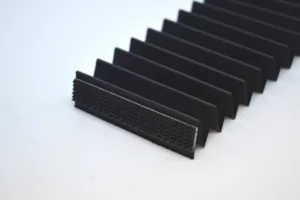
Yes, we offer extensive customization for perma-pleated screens to ensure they fit your specific guide channels and mounting requirements perfectly. We can adjust the v-depth, length, and width, and we offer various attachment methods such as hook and loop fabric or aluminum end plates.
What materials are available for custom industrial bellows and screens?
We utilize a wide range of materials specifically chosen to resist chemicals, high temperatures, or abrasive dust depending on your work environment. Our team can help you select the best fabric or elastomer to ensure your perma-pleated screens provide maximum longevity for your specific application.
What kind of maintenance do these protective screens require?
Maintenance is generally minimal, usually involving periodic inspections to ensure no heavy debris has punctured the material or compromised the pleats. Keeping the guide channels clear of obstructions will ensure the screens move smoothly and prevent unnecessary wear on the edges of the fabric.
